
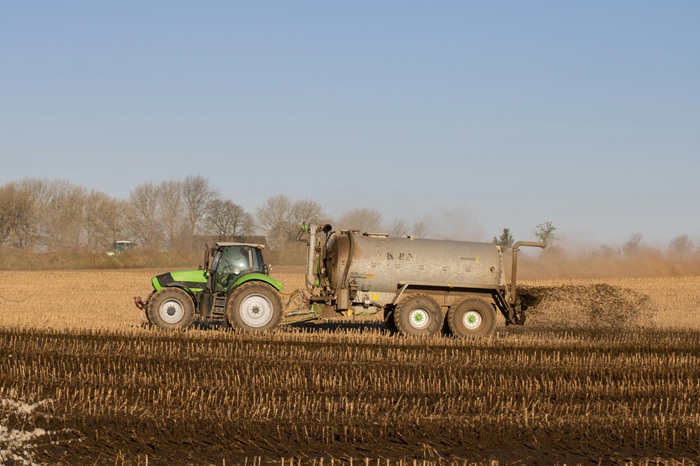
Nitrogen runoff is one of the most pressing environmental and economic challenges in modern agriculture. For large-scale commercial farms, unmanaged nitrogen loss leads to lower fertilizer efficiency, regulatory risk, water pollution, and long-term soil degradation.
The good news? Proven agronomic, technological, and management strategies can cut nitrogen runoff by 30–70% while maintaining—or increasing—crop yields.
This guide explains how to reduce nitrogen runoff in large-scale commercial farming using scalable, data-driven, and cost-effective solutions.
"Smart people learn from everything and everyone, average people from their experiences, stupid people already have all the answers."
What Is Nitrogen Runoff and Why It Matters
Nitrogen runoff occurs when excess nitrogen—primarily from fertilizers—moves:
-
Into surface water through rainfall or irrigation
-
Down the soil profile via leaching
-
Into the atmosphere through volatilization and denitrification
Consequences for Commercial Farms
-
Loss of 20–50% of applied nitrogen
-
Higher fertilizer costs per unit yield
-
Regulatory scrutiny and compliance penalties
-
Contribution to eutrophication and dead zones
-
Reduced long-term soil productivity
Primary Causes of Nitrogen Runoff in Large Farms
Understanding the root causes is essential before mitigation.
Key Contributors
-
Over-application of nitrogen
-
Poor timing of fertilizer application
-
Uniform application across variable fields
-
Heavy irrigation or rainfall events
-
Bare soil after harvest
-
Low organic matter soils
Large-scale operations amplify these risks due to field size, mechanization, and logistical complexity.
1. Precision Nitrogen Management (PNM)
Precision nitrogen management is the single most effective strategy for reducing runoff at scale.
Core Practices
-
Variable Rate Application (VRA)
-
GPS-guided fertilizer placement
-
Zone-based nutrient mapping
-
Real-time crop sensing
Impact:
👉 15–35% reduction in nitrogen losses
👉 10–20% improvement in nitrogen use efficiency (NUE)
2. Split Nitrogen Applications
Applying all nitrogen at once increases loss risk.
Best Practice for Commercial Fields
-
30–40% at planting
-
40–50% during vegetative growth
-
Remainder at early reproductive stages
Why It Works
-
Matches crop uptake curves
-
Reduces excess soil nitrogen
-
Limits exposure to rainfall events
Runoff reduction: 20–40%
3. Enhanced Efficiency Fertilizers (EEFs)
Modern fertilizer technologies significantly reduce nitrogen loss pathways.
Types of EEFs
-
Controlled-release fertilizers
-
Urease inhibitors
-
Nitrification inhibitors
-
Polymer-coated urea
Benefits:
-
Slower nitrogen release
-
Reduced leaching and volatilization
-
Improved uptake during peak demand
ROI Insight:
Higher upfront cost, but net savings at scale due to reduced reapplication.
4. Cover Crops for Nitrogen Capture
Cover crops act as biological nitrogen sponges.
Best Cover Crops for Commercial Systems
-
Cereal rye
-
Winter wheat
-
Barley
-
Legume–grass mixtures
Nitrogen Benefits
-
Capture residual nitrogen post-harvest
-
Reduce nitrate leaching during off-season
-
Release nitrogen gradually to next crop
Measured reductions:
👉 Up to 50% lower nitrate runoff
👉 Improved soil organic matter
5. Improved Soil Organic Matter (SOM)
Soil with higher organic matter retains nitrogen more effectively.
Target SOM Levels
-
Minimum: 3%
-
Optimal for row crops: 4–6%
How to Increase SOM at Scale
-
Reduced or no-till systems
-
Continuous residue retention
-
Compost or manure integration
-
Diverse crop rotations
Result:
Higher microbial nitrogen cycling and lower losses.
6. Optimized Irrigation Management
Excess irrigation accelerates nitrogen movement beyond the root zone.
Runoff Reduction Strategies
-
Precision irrigation scheduling
-
Soil moisture sensors
-
Variable rate irrigation (VRI)
-
Avoid irrigation before rainfall events
Outcome:
Reduced leaching and better nitrogen availability.
7. Buffer Zones, Wetlands, and Edge-of-Field Controls
Not all nitrogen losses happen within the field.
Structural Solutions
-
Vegetative buffer strips
-
Constructed wetlands
-
Drainage water management systems
-
Saturated buffers
These systems intercept nitrogen before it reaches waterways.
Runoff reduction potential:
30–70% at field edges
8. Crop Rotation and Diversification
Monocropping increases nitrogen inefficiency.
Effective Rotations
-
Corn–soybean–cover crop
-
Corn–wheat–legume
-
Multi-year rotational diversity
Benefits include:
-
Reduced fertilizer dependency
-
Improved nitrogen mineralization
-
Better soil structure
9. Data-Driven Nitrogen Monitoring
Large farms must rely on continuous measurement, not assumptions.
Tools to Use
-
Soil nitrate testing
-
Remote sensing (NDVI)
-
Yield maps
-
Nitrogen balance models
Key KPI:
Nitrogen Use Efficiency (NUE)
Target NUE: 60–80% in commercial operations.
10. Compliance, Sustainability & Market Incentives
Reducing nitrogen runoff is no longer optional.
Advantages for Commercial Farms
-
Easier regulatory compliance
-
Eligibility for sustainability certifications
-
Carbon and nutrient credit markets
-
Stronger ESG positioning
Many processors and exporters now require nutrient stewardship documentation.
Economic Impact: Cost vs Benefit
Average Commercial Farm (Per Acre)
-
Nitrogen savings: $40–120
-
Yield stability: +5–10%
-
Reduced reapplication costs
-
Lower regulatory risk exposure
Net Result:
Higher profit margins with lower environmental footprint.
Common Mistakes to Avoid
-
Applying nitrogen “just in case”
-
Ignoring spatial variability
-
Late-season overcorrection
-
Poor irrigation coordination
-
Skipping post-harvest nitrogen capture
Nitrogen management must be proactive, not reactive.